
Thermography
Infrared Imaging & Thermal Inspection
Thermography, also known as infrared imaging, is a non-invasive technique used to detect and visualise heat patterns emitted from objects, surfaces, or living organisms.
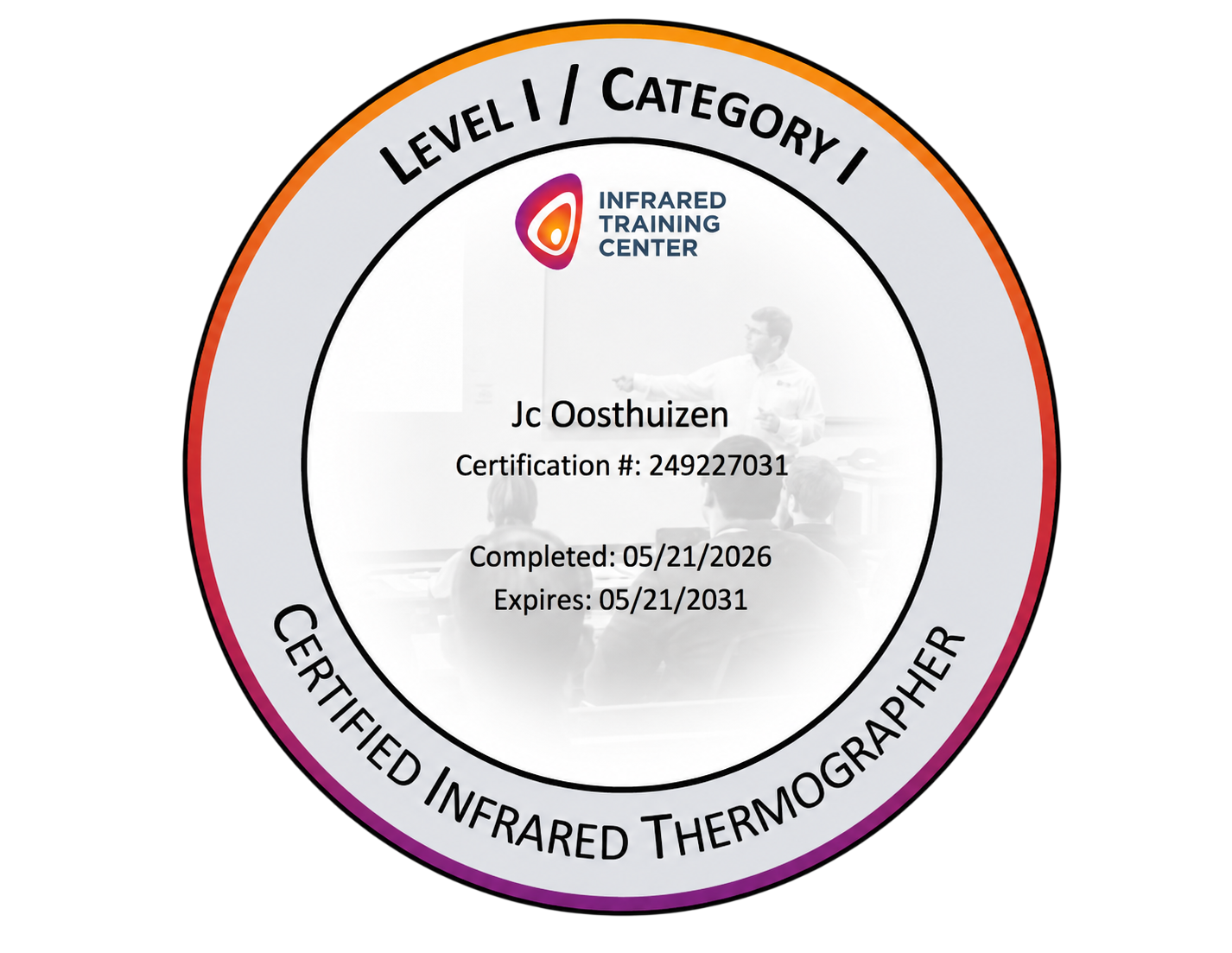
Professional thermal imaging and diagnostic solutions.
Thermography is Used In
- Medical diagnostics
- Building inspections
- Electrical maintenance
- Mechanical engineering
- HVAC systems
- Security
Thermography
Introduction to Thermography
Thermography, also known as infrared imaging, is a non-invasive technique used to detect and visualize heat patterns emitted from objects, surfaces, or living organisms. It relies on the principle that all objects with a temperature above absolute zero emit infrared radiation.
By using specialized infrared cameras, thermography converts this radiation into visible images—called thermograms—that display temperature variations across a surface.
Unlike conventional imaging methods, thermography does not require direct contact or external radiation sources. Instead, it passively captures natural heat emissions, making it a safe and efficient diagnostic and monitoring tool.
Detect Infrared Energy
Thermal cameras detect infrared energy.
Translate into Signals
The infrared energy is translated into electronic signals.
Produce a Thermal Image
The signals are processed to produce a thermal image.
Identify Anomalies
Different colors or shades represent varying temperature levels, helping identify anomalies.
How It Works
How Thermography Works
Thermal cameras detect infrared energy and translate it into electronic signals, which are then processed to produce a thermal image. Different colors or shades represent varying temperature levels, allowing us to easily identify anomalies such as heat loss, overheating components, or abnormal physiological activity.
Benefits & Advantages
Why Thermography is a Valuable Tool
Thermography provides a safe, efficient and non-invasive way to identify heat patterns, detect potential problems early and support better decision-making across different applications.
Non-Invasive & Non-Contact
Thermography does not require direct contact, making it valuable where physical interaction may be impractical, unsafe or uncomfortable.
Early Detection of Problems
Thermography can identify overheating components before they fail, enabling preventative maintenance and reducing downtime.
Fast & Efficient
Large areas or systems can be scanned in a relatively short time, making thermography an efficient diagnostic and monitoring tool.
Real-Time Results
Thermography provides real-time results, enabling immediate analysis and decision-making.
Enhanced Safety
Thermography enhances risk management by allowing inspections of hazardous or hard-to-reach areas without direct exposure.
Energy Efficiency & Sustainability
By identifying heat loss and inefficiencies, thermography helps reduce energy consumption, lower operational costs and minimise environmental impact.
Conclusion
A Powerful and Versatile Technology
Thermography is a powerful, versatile technology that combines safety, efficiency, and precision. Its ability to detect invisible heat patterns makes it an invaluable tool across multiple industries, supporting early diagnosis, preventative maintenance, and improved performance. As technology continues to advance, thermography is expected to play an increasingly important role in both industrial and scientific applications.
Speak to AFCUL Enterprises About Thermal Imaging
Contact AFCUL Enterprises to discuss thermography inspections and how infrared imaging can support early detection, preventative maintenance and improved performance.
Contact Us